Mister Thing: A Quirky Display Font for Creative Projects
There I was, staring at a blank brand board, trying to find the right visual voice for a small café looking to refresh its identity. The client wanted something that felt approachable, a bit playful, but still professional enough to stand out in a competitive market. That’s when I pulled out Mister Thing.
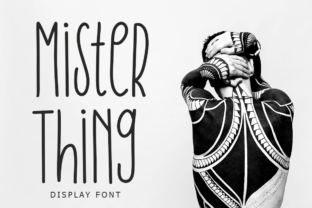
From the first glance, Mister Thing has this unmistakable personality. It’s not the kind of font that blends into the background—it demands attention. Its character is fun, a little offbeat, and undeniably authentic. The letterforms have a handcrafted feel, with subtle variations that make it feel less rigid than most display fonts. It’s like a friendly nod from a designer who knows what they’re doing.
Testing Mister Thing in Real Branding Work
I started by sketching a logo concept using Mister Thing as the primary typeface. The result was immediately striking. The font’s unique shapes gave the logo a sense of movement and energy that felt just right for a cozy café with a creative twist. I compared it to a few other display fonts—some more modern, some more traditional—but nothing quite matched the charm and warmth of Mister Thing.
Next, I tested it on a packaging mockup. The font worked well on product labels, especially when paired with bold colors and simple graphics. It added a layer of personality without overwhelming the design. On a business card, it stood out as a strong visual element, making the contact information memorable.
For a website header, Mister Thing made a bold statement. It was perfect for a hero section where the goal was to grab attention quickly. However, I noticed that in smaller sizes or on mobile screens, the details could get lost. That’s something to keep in mind if you're planning to use it in more constrained spaces.
Where Mister Thing Shines
Mister Thing excels in projects that benefit from a strong visual identity. It’s ideal for logos, headlines, and social media graphics where the font can be the focal point. Its quirkiness makes it a great choice for brands targeting a younger, more creative audience. Think handmade shops, boutique cafes, or independent designers looking to make a statement.
It also works well in editorial design, such as posters or flyers, where the goal is to catch the eye and convey a specific mood. When used sparingly, it adds a touch of personality that can elevate a design from good to great.
Pairing Mister Thing with other fonts can help balance its boldness. A clean sans serif or a classic serif can provide contrast and improve readability in supporting text. For example, using a modern sans serif for body copy while keeping Mister Thing for headings creates a nice visual hierarchy without clashing.
Limitations and Considerations
While Mister Thing is a standout choice for many projects, it’s not a one-size-fits-all solution. In situations where clarity and legibility are paramount—like long paragraphs of text or formal corporate branding—it might not be the best fit. The font’s decorative elements can become distracting in these contexts.
It’s also important to consider the file formats and licensing. Before using Mister Thing in client work, make sure you have the proper commercial license. This is especially crucial if you’re planning to use it in merchandise, print-on-demand products, or digital templates.
Testing the font in different scenarios is key. Try it on various surfaces—print, web, social media—and see how it holds up. Pay attention to how it looks in both light and dark environments, and test it at different sizes to ensure it remains effective across all applications.
Final Thoughts on Mister Thing
Mister Thing isn’t just another display font. It’s a tool that brings a unique energy to any project it touches. Whether you're working on a café rebrand, a handmade shop identity, or a creative studio’s visual system, this font can add that extra spark that makes a brand feel truly original.
Its blend of fun, authenticity, and craftsmanship makes it a valuable addition to any designer’s toolkit. Just remember to use it thoughtfully, and always test it thoroughly before finalizing any design. With the right approach, Mister Thing can turn a simple idea into something unforgettable.